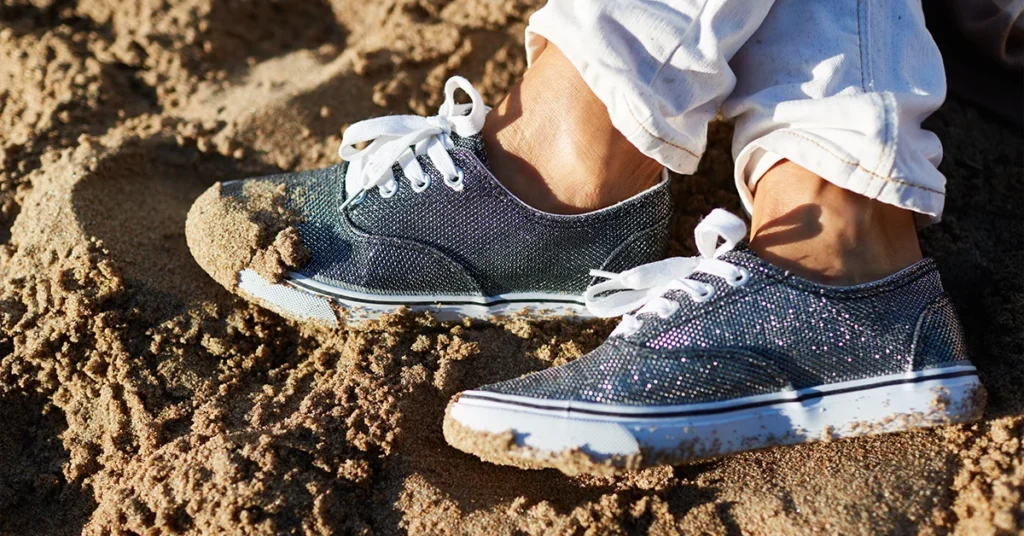
Imagine stepping out in a dress that changes color when the sun hits it, or sneakers that adjust their fit in real-time as your feet swell. Welcome to 2026 — a year where fashion and technology fuse more seamlessly than ever. Fashion tech innovations 2026 are no longer futuristic fantasies; they’re here, shaping how we dress, shop, and define personal style. As we move deeper into this exciting era, designers, technologists, and consumers are collaborating to create powerful experiences that redefine what style really means.
we’ll explore the most groundbreaking fashion tech innovations 2026, uncover how they’re transforming the industry, and look ahead to what the future holds. Whether you’re a style enthusiast, a tech lover, or simply curious about what’s next, you’ll get valuable insights into how fashion and technology are coming together in new, surprising ways.
ALSO READ: Smart Fashion Trends 2026: What’s Next In Wearable Style
The Rise Of Smart Fabrics And Responsive Materials
What Exactly Are Smart Fabrics?
Smart fabrics are textiles embedded with sensors, conductive threads, or microelectronics. In 2026, these materials are more advanced than ever, capable of reacting to environmental stimuli like temperature, motion, light, and even your biometric data. Gone are the days when fabric was just cloth — now, it can be alive and interactive.
Thermo-regulating and Self‑Adjusting Clothing
One of the most exciting fashion tech innovations 2026 is thermo‑regulating clothing. These garments can sense temperature changes and adapt: when it’s cold, fibers contract to keep you warm; when it’s hot, they loosen or allow airflow. Smart jackets that open up vent channels automatically, or workout gear that wicks sweat more efficiently — these are becoming mainstream.
Color‑Changing and Light‑Reactive Textiles
Color-shifting fabrics are also making waves. Thanks to micro-encapsulated pigments and shape‑memory polymers, clothes now change shade or pattern when exposed to ultraviolet light or electrical signals. Imagine a jacket that becomes more vibrant under sunlight or an evening dress that glows subtly under ambient lighting — a dramatic, playful expression of personal style meets technology.
Embedded Health and Biometric Sensors
Smart fabrics in 2026 are not only stylish but also functional. Built-in sensors can track heart rate, posture, and even stress levels. These sensors integrate with wearable tech or smartphone apps to provide real‑time feedback or gentle reminders (sit up straight, take a break, or you’re overheated). For athletes or wellness-conscious consumers, this is a game-changer.
AI-Powered Design And Customization
AI as the New Creative Partner
Artificial Intelligence (AI) is no longer behind the scenes — it’s on the design board. Today’s designers use AI tools that propose patterns, color palettes, and cuts based on trends, customer data, and even sustainability goals. Instead of just automating repetitive tasks, AI now inspires creativity: it suggests new silhouettes, fabric blends, and custom fits that humans might not think of.
Personalized Fashion Through Data
With AI and machine learning, fashion brands in 2026 are personalizing garments like never before. Based on a user’s body measurements, style preferences, and purchase history, AI can generate custom clothing items just for you. That means fewer returns, better-fitting clothes, and more satisfaction — a win for both consumers and brands.
Virtual Tailoring and Fit Prediction
One of the biggest hurdles in online shopping has always been sizing. AI-driven virtual tailoring solves this by predicting a customer’s ideal fit. By combining 3D body scans (or simple photos) with historical size data, brands can virtually “try” clothes on a realistic avatar. This reduces size mismatches, minimizes waste, and boosts confidence in purchasing.
Sustainability Gains through Smart Design
AI doesn’t just customize — it optimizes. By analyzing fabric usage, pattern cutting, and production workflows, AI helps designers reduce waste. This leads to more sustainable collections by minimizing excess material and lowering the environmental impact of garment production.
Virtual And Augmented Reality: Shopping Reimagined
Try‑On Experiences That Feel Real
Imagine standing in your room and, through your phone or AR glasses, seeing a realistic version of yourself wearing a new coat. That’s now possible. In 2026, augmented reality (AR) try-on mirrors and virtual dressing rooms are widespread. They allow customers to test how items look on them, rotate, view in different lighting, and even mix-and-match outfits — all from their screen.
Virtual Fashion Shows and Immersive Runways
Fashion shows have evolved into entire virtual experiences. Designers now host digital runways in the metaverse where avatars model collections for audiences all over the world. These events use virtual and mixed reality to blur the line between physical and digital fashion, creating immersive spaces that elevate creativity and accessibility.
3D Avatars and Body Scanning
Body scanning technology has matured, making it possible for shoppers to generate accurate 3D avatars of themselves with just a smartphone. These avatars then try on digital clothes in virtual spaces, helping users visualize fit and style before ordering. It makes online shopping more personal, reduces returns, and empowers customers to feel confident about their choices.
Social Shopping in the Metaverse
Shopping is becoming a social event again — but this time, it’s virtual. Friends can hang out in metaverse “malls,” browse stores together, and compare outfits on their avatars. Brands host limited-edition drops in virtual spaces, creating hype similar to traditional product launches, but with a digital-first twist.
Wearable Tech Meets Fashion
Smart Accessories: Beyond Just Style
In 2026, accessories are smarter and more stylish than ever. Think jewelry that tracks your vitals, watches that respond to gestures, belts that adjust fit automatically, or handbags that charge your phone. These wearable tech pieces are not just functional — they’re designed to integrate seamlessly into fashion-forward wardrobes.
Health & Wellness Woven into Fashion
Wearables aren’t limited to fitness bands. Smart scarves that measure stress levels, leggings that monitor muscle exertion, or shoes that analyze gait and posture — the merging of health data and fashion is shaping pieces that support wellness while elevating style.
Energy-Harvesting Wearables
One of the coolest innovations is energy-harvesting wearables. These devices generate power from movement, body heat, or solar exposure. Imagine solar-powered sunglasses that charge your smartwatch, or kinetic-energy sneakers that generate enough energy to power lights or small electronics. These fashion-tech hybrids are practical and sustainable.
3D Printing And On‑Demand Manufacturing
The Power of 3D‑Printed Fashion
3D printing has come a long way. In 2026, designers use advanced 3D printers to create complex garments, accessories, and footwear on demand. This technology allows for intricate geometry, lightweight materials, and bespoke designs that were impossible through traditional manufacturing.
Custom Footwear with Precision
Shoes are among the most benefited by 3D printing. Brands now scan your feet, then print midsoles, uppers, and cushioning tailored to your exact anatomy. This means better performance, reduced waste, and a unique shoe built especially for you.
Sustainable Manufacturing & Reduced Inventory
3D printing supports a just-in-time model. Instead of mass producing and stocking vast inventories, brands can print what’s needed, when it’s needed. This minimizes overproduction, storage costs, and environmental impact. Plus, with localized micro-factories, production can occur closer to the consumer, reducing shipping emissions.
Recycled Materials and Bio‑Printing
Innovations don’t stop at shaping; they extend to materials too. Many companies in 2026 are using recycled plastics, bio-based polymers, and even plant-derived filaments to 3D print garments and accessories. These materials help reduce reliance on virgin resources, making printing more eco-conscious.
Blockchain NFTs And Digital Fashion
Digital Garments That Live on the Blockchain
Non-fungible tokens (NFTs) have evolved beyond digital art to become virtual fashion pieces. Designers create exclusive digital outfits — from jackets to sneakers — that people can “wear” in virtual spaces or in their metaverse avatars. Each item is registered on the blockchain, allowing for true digital ownership, scarcity, and provenance.
Virtual Clothing & Limited Drops
Brands host limited digital drops just like they do in the physical world. Digital fashion collectors line up to purchase rare virtual items. Because they’re tokenized on-chain, buyers know their assets are unique and verifiable. These drops generate buzz, drive engagement, and open entirely new revenue streams.
Blockchain in Supply Chain Transparency
Blockchain isn’t just for NFTs. In 2026, it’s being used to bring transparency to the fashion supply chain. Every step — from raw material sourcing to manufacturing to delivery — can be documented immutably. This helps brands ensure ethical practices, verify sustainability claims, and give customers traceability of where their clothing truly comes from.
Rental, Resale, and Fractional Ownership
Blockchain enables new business models. Through decentralized platforms, consumers can rent or resell virtual or physical fashion items securely. Some digital fashion pieces can even be fractionally owned, where multiple people share ownership of rare items. This opens up more equitable access and encourages circular fashion in both the physical and virtual worlds.
Robotics, Automation & Smart Factories
Automated Sewing and Production
Factories of 2026 are smarter — robots are sewing, cutting, and assembling garments with precision and speed. Automation helps brands scale new designs quickly, reduce labor costs, and maintain consistent quality. At the same time, it frees human workers to focus on creative or higher‑value tasks.
On‑Site Micro‑Factories
Micro-factories (small, local production sites) are central to fashion-tech. Rather than shipping massive shipments worldwide, brands open compact facilities close to their markets. These micro-factories use robotic production lines, making localized, on-demand runs viable, reducing logistics costs and carbon footprints.
Quality Control with Computer Vision
Artificial intelligence and computer vision systems inspect finished garments in real time. Cameras detect defects, measure stitch consistency, and ensure color accuracy. This automated quality control reduces waste, speeds up delivery, and maintains high standards — a major benefit for both consumers and manufacturers.
Recycling & Circular Production
Advanced robotics also enable efficient recycling. Robots separate fabrics, identify material types, and prepare them for reprocessing. Combined with smart sorting and chemical recycling techniques, this closes the loop of garment life cycles and supports a more circular fashion economy.
Sustainability And Ethical Fashion Through Tech
Reducing Waste with Predictive Analytics
AI and big data help brands forecast demand more accurately, reducing overproduction. Predictive analytics analyze customer behavior, seasonal trends, and economic indicators to optimize inventory. By producing smarter, brands minimize unsold stock and waste — a crucial step toward eco-conscious fashion.
Eco-Friendly Materials Powered by Innovation
fashion tech innovations 2026 isn’t just about high-tech — it’s also about green innovation. Researchers are developing fabrics made from bacteria, algae, or recycled waste. These bio-based materials are stronger, biodegradable, and increasingly affordable, letting brands offer sustainable couture without compromising on style or performance.
Transparent and Fair Supply Chains
Blockchain (as mentioned earlier) and smart tagging solutions make it easier to trace every piece of clothing. Consumers increasingly demand to know where their clothes come from, who made them, and under what conditions. fashion tech innovations 2026 enables full transparency, promoting ethical labor practices and empowering consumers to make responsible choices.
Circular Fashion Models
Tech-enabled systems support clothing rental, trade-in, and resale programs. Augmented reality apps allow users to preview vintage or second-hand items, while AI estimates the remaining lifecycle of garments — helping circular fashion models thrive. Smart logistics and automated refurbishing centers ensure items can be reused or recycled efficiently.
Challenges And Considerations
Data Privacy and Ethical Concerns
With smart fabrics and wearable sensors collecting biometric data, privacy is a genuine concern. Brands must prioritize strong data protection and transparent user consent. How this sensitive information is used, stored, or shared calls for robust ethical frameworks.
Cost and Accessibility
fashion tech innovations 2026 often come with high costs. Smart garments, 3D-printed accessories, or blockchain-verified digital fashion can be expensive — limiting accessibility to early adopters or high-end consumers. For broad adoption, costs must come down, or affordable alternatives must emerge.
Technological Fragmentation
As more brands adopt disparate technologies — different body scanners, blockchain standards, 3D file formats — fragmentation could hurt interoperability. Consumers might struggle to use their digital fashion across platforms or metaverses if standards aren’t unified.
Environmental Trade‑offs
While many fashion-tech innovations promote sustainability, some carry carbon or resource costs. For example, manufacturing electronics for smart fabrics demands rare materials and energy. Brands must balance innovation with truly sustainable practices, avoiding the trap of tech-for-tech’s-sake.
What The Future Holds: 2027 And Beyond
Complete Digital Fashion Ecosystems
By 2027 and beyond, we can expect entire virtual wardrobes that live in the metaverse. Digital fashion marketplaces will mature, offering designs purely for virtual wear — and physical purchases will be deeply integrated with virtual identities.
More Inclusive and Adaptive Fashion
fashion tech innovations 2026 will continue democratizing style. As AI and body scanning improve, adaptive fashion — adjusting for different body types, disabilities, or mobility needs — will become standard. Custom-fit smart clothing will be more affordable and widely available.
Energy-Neutral and Self‑Sustaining Garments
Innovation in energy harvesting will create garments that sustain themselves. Imagine jackets that draw power from solar exposure or kinetic movement, powering your devices or sensors — this kind of self-sustaining fashion could become a reality.
Global Standards and Ethical Frameworks
The fashion-tech industry may coalesce around universal standards: for data privacy, digital garment formats, and blockchain traceability. This will make technology safer, more equitable, and easier to adopt across borders and platforms.
Conclusion
fashion tech innovations 2026 are reshaping how we think about style, utility, and sustainability. From smart fabrics that respond to our bodies, to AI-designed custom outfits, to virtual wardrobes in the metaverse — the blend of fashion and technology is redefining every aspect of the industry. These advances aren’t just gimmicks; they’re powerful tools helping brands reduce waste, engage customers in new ways, and push the boundaries of creative expression.
Yet, as much as these developments excite us, they also challenge us. Data privacy, cost, environmental trade-offs — these are real issues that need thoughtful solutions. The brands, technologists, and consumers willing to experiment responsibly will lead the way into a more inclusive, ethical, and sustainable future of fashion.
Ultimately, fashion tech innovations 2026 isn’t just about looking good — it’s about feeling connected, empowered, and conscious of our style’s impact. As we move forward, the most successful innovations will be those that combine beauty with purpose, technology with humanity.
FAQs
What is fashion tech innovations 2026?
fashion tech innovations 2026 refers to the newest and most advanced ways technology is integrated into fashion this year — including smart fabrics, AI-powered design, AR and VR shopping, wearable tech, 3D printing, blockchain-based supply chains, and more. These innovations are reshaping how we design, wear, produce, and experience clothing.
How do smart fabrics improve clothing functionality?
Smart fabrics enhance clothing by embedding sensors, conductive materials, or reactive polymers. These materials can sense and respond to temperature, motion, or even biometric data. For example, they can regulate heat, change color, or monitor your heart rate, making clothes both stylish and practical.
Can AI really make custom clothes just for me?
Yes. AI in 2026 can analyze your body measurements, style preferences, and previous purchases to generate tailored designs. With this technology, brands can offer personalized garments with better fit, fewer returns, and more satisfaction — all without sacrificing creativity.
Is virtual fashion just for gamers and techies?
Not necessarily. While virtual fashion is popular in gaming and metaverse communities, it’s becoming more mainstream. Many brands now offer digital outfits for social media, virtual avatars, or even augmented-reality try-ons. As the technology becomes more accessible, it appeals to a broader audience.
Are fashion tech innovations 2026 environmentally friendly?
Many of them are — especially when designed thoughtfully. Innovations like predictive AI for demand forecasting, recycling robots, bio-based materials, and on-demand 3D printing reduce waste and lower carbon footprints. However, there are environmental trade-offs, such as energy used for electronics, so sustainable practices and materials are key.
ALSO READ: 3D Printing In Fashion 2026: Shaping The Future Of Style