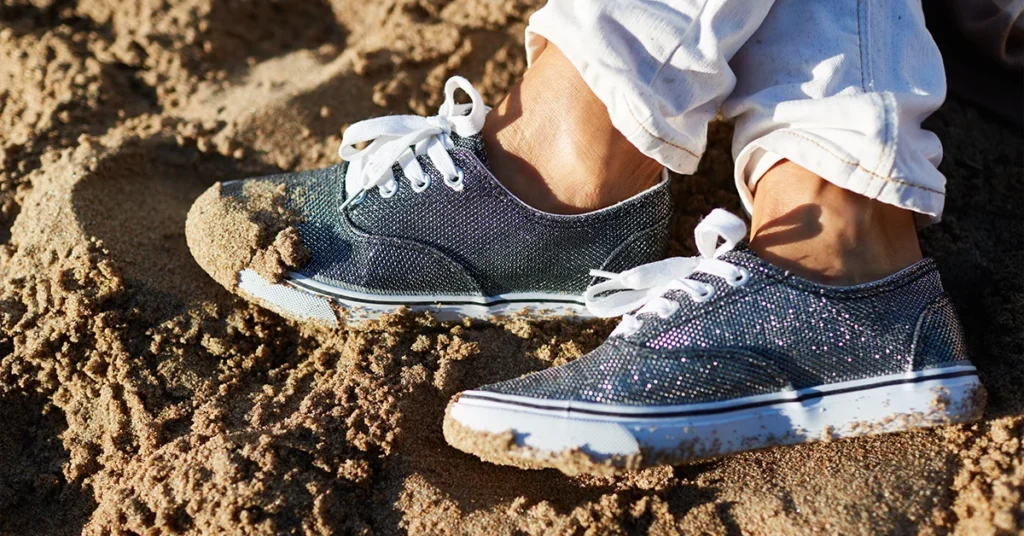

Fashion and technology have always had a close relationship, but in recent years, the boundaries between these two worlds have started to blur. As we approach 2026, the rise of Smart Clothing Innovations 2026 is poised to revolutionize the way we interact with our wardrobe. These cutting-edge garments combine the latest advancements in wearable technology with the aesthetic appeal of traditional fashion. The future of fashion is not just about looking good — it’s about functionality, health, sustainability, and personalization.
we’ll dive deep into the exciting world of Smart Clothing Innovations 2026, what they mean for the future of fashion, and how they are transforming everyday life. From smart fabrics to health-monitoring textiles, get ready to discover how fashion will evolve in the coming years.
ALSO READ: Eco-Friendly Fabrics 2026: The Future Of Sustainable Fashion
The Rise Of Smart Clothing Innovations 2026: A Technological Revolution In Fashion
Smart Clothing Innovations 2026 refers to garments embedded with sensors, actuators, and other technologies that allow them to collect data or perform tasks beyond traditional fashion. This next-gen clothing doesn’t just look stylish — it can communicate with other devices, monitor your health, and adapt to environmental changes. Whether it’s fitness trackers built into your hoodie or jackets that regulate temperature, smart clothing is taking us into a new era of interactive and functional fashion.
Key Innovations in Smart Clothing Innovations 2026
Several technological innovations are driving the development of Smart Clothing Innovations 2026, and these breakthroughs are changing the way we think about apparel. Some of the most exciting advancements include:
Health Monitoring and Biometric Sensors
One of the most significant areas of growth in Smart Clothing Innovations 2026 is health monitoring. By embedding sensors directly into clothing, these garments can track a wide range of biometric data, such as heart rate, body temperature, and even stress levels. This has the potential to revolutionize personal healthcare and fitness tracking.
For example, a T-shirt equipped with heart rate sensors can give real-time feedback during workouts, while a pair of leggings could measure muscle performance and fatigue. These garments can sync with your smartphone or smartwatch to provide detailed insights into your physical well-being.
Temperature Regulation and Climate Control
Imagine wearing a jacket that automatically adjusts its temperature based on your body heat or the surrounding environment. Smart Clothing Innovations 2026 with built-in temperature regulation is already being developed and could become mainstream by 2026. Such garments use special fabrics and materials that either heat up or cool down in response to temperature changes, ensuring maximum comfort.
This innovation will not only provide convenience but also energy efficiency, reducing the need for external heating or cooling devices in extreme weather conditions.
Energy Harvesting Fabrics
Another breakthrough that will likely shape the future of Smart Clothing Innovations 2026 is energy harvesting. Researchers are developing fabrics that can capture energy from movement, such as walking or running, and convert it into usable power. This means your clothes could eventually charge your devices, such as smartphones or smartwatches, using the energy generated by your movements.
Imagine never having to worry about your phone dying while out for a walk or run. Energy-harvesting textiles could offer a sustainable, eco-friendly solution to charging gadgets on the go.
Interactive Fabrics and Wearable Displays
The integration of flexible displays into fabrics is an exciting frontier in Smart Clothing Innovations 2026. These fabrics allow for dynamic, on-demand changes in color, pattern, and even the display of text or images. You could wear a dress that shifts color based on your mood or a jacket that displays messages or notifications from your smartphone.
This could completely change how we think about fashion, making clothing an interactive experience that evolves throughout the day, depending on your needs or preferences.
Sustainable and Eco-Friendly Fabrics
With growing concerns about the environmental impact of the fashion industry, Smart Clothing Innovations 2026 innovations are also addressing sustainability. Many companies are working on developing fabrics that are not only smart but also eco-friendly. These fabrics are made from recycled materials, are biodegradable, and use less water and energy during production.
In addition, smart fabrics can contribute to sustainability by reducing waste. For example, garments that monitor your activity levels can help reduce the need for multiple clothing items by adapting to different functions, reducing overconsumption.
How Smart Clothing Will Impact Everyday Life by 2026
By 2026, Smart Clothing Innovations 2026 will likely play a central role in improving both our personal lives and our environment. Let’s look at some of the most exciting ways these innovations will impact society:
Improved Health and Wellness Monitoring
Smart Clothing Innovations 2026 will make it easier than ever to monitor health and wellness. People with chronic health conditions, such as diabetes or heart disease, will benefit from garments that can continuously monitor vital signs like glucose levels, blood pressure, and heart rate. This real-time monitoring could save lives by providing early warning signs of health issues.
Fitness enthusiasts will also benefit, as smart clothes could replace traditional fitness trackers, providing more accurate and comprehensive insights into their physical performance.
Enhanced User Experience and Personalization
One of the most compelling aspects of Smart Clothing Innovations 2026 is its ability to adapt to the wearer’s needs. Whether it’s a pair of shoes that adjust to your running style or a jacket that changes color based on your preferences, the ability to personalize smart clothing will enhance the user experience.
As AI and machine learning algorithms improve, Smart Clothing Innovations 2026 will become even more tailored to the individual, offering a truly bespoke experience that reacts to your behavior, preferences, and environment.
Fashion Meets Functionality
Smart clothing will blur the line between traditional fashion and functional wearables. This convergence means you won’t have to choose between looking stylish and staying comfortable. Smart Clothing Innovations 2026 will offer both — think of a sleek, stylish jacket with built-in temperature control, or a pair of leggings that provide support while still looking fashionable.
Smart Clothing and the Future of Sustainability
As mentioned earlier, the fashion industry is one of the largest contributors to environmental pollution. With the rise of Smart Clothing Innovations 2026 we could see a shift toward more sustainable practices. Smart clothing could encourage consumers to buy fewer, higher-quality items that can serve multiple functions.
In addition, the integration of sustainable materials and energy-efficient features in smart clothing will help reduce the fashion industry’s carbon footprint. We could even see a new trend emerge, where consumers value durability, longevity, and sustainability over fast fashion.
Challenges and Limitations of Smart Clothing
While the future of smart clothing looks incredibly promising, there are still several challenges to overcome before it becomes mainstream.
Cost
At present, smart clothing is relatively expensive due to the technology involved in its production. As demand grows and manufacturing processes become more streamlined, the cost of these garments will likely decrease. However, for now, the high price tag may limit widespread adoption.
Battery Life and Durability
Another challenge is battery life. Many smart clothing items rely on embedded batteries to power sensors and other technologies. Ensuring these garments are both durable and long-lasting without compromising performance is an ongoing concern for developers.
Privacy and Data Security
With smart clothing collecting sensitive biometric data, there are concerns about privacy and data security. Consumers will need assurances that their personal data is safe from misuse and that the companies behind these products are taking the necessary precautions to protect their privacy.
Conclusion
The future of fashion is undeniably intertwined with technology. By 2026, smart clothing will be a game-changer in how we experience fashion, health, and sustainability. From health monitoring and energy-harvesting fabrics to eco-friendly designs and personalized garments, the possibilities are endless.
As we move closer to a world where clothes do more than just cover our bodies, smart clothing innovations will redefine how we think about fashion. The integration of technology into our daily wardrobes is no longer a far-off dream but an impending reality that promises to enhance both our lifestyles and the planet’s well-being.
FAQs
What is smart clothing?
Smart clothing refers to garments embedded with technology such as sensors, actuators, and devices that allow the clothes to perform various functions, such as tracking health metrics, adapting to environmental conditions, or interacting with other devices.
How does smart clothing improve health?
Smart clothing can monitor vital signs like heart rate, temperature, and movement patterns. It helps individuals track their fitness levels, detect early signs of health problems, and provide real-time feedback for better health management.
Will smart clothing be expensive?
Currently, smart clothing can be costly due to the advanced technology involved. However, as production scales up and technology becomes more accessible, prices are expected to decrease, making them more affordable for the general public.
Can smart clothing help reduce energy consumption?
Yes, some smart clothing features like temperature-regulating fabrics and energy-harvesting materials can help reduce the need for external heating or cooling devices, contributing to overall energy efficiency.
Are there eco-friendly smart clothing options?
Yes, many smart clothing innovations are being developed using sustainable and eco-friendly materials. These fabrics are designed to be biodegradable, recyclable, and energy-efficient, offering a more sustainable alternative to traditional fashion.
ALSO READ: Upcycled Fashion 2026: Trends Shaping A Sustainable Future