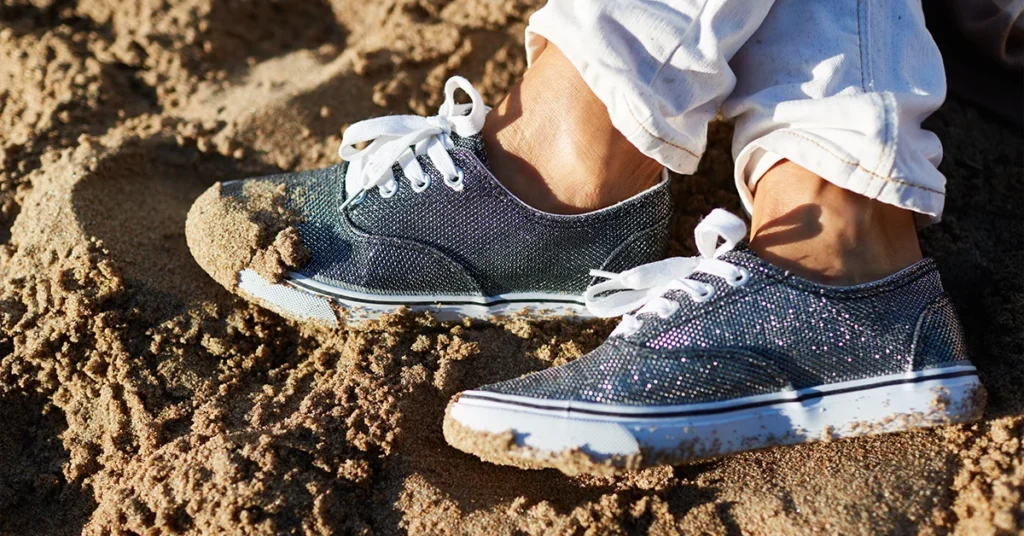

As we approach 2026, the fashion industry is facing a turning point. With sustainability taking center stage in every aspect of our lives, it’s no surprise that Eco-Friendly Fabrics 2026 are becoming the foundation of future fashion trends. From reducing waste to using renewable resources, sustainable textiles are reshaping how we design, produce, and wear clothing.
But what exactly does the future hold for Eco-Friendly Fabrics 2026? In this article, we’ll explore the groundbreaking advancements in sustainable textiles, the benefits they offer, and how they’re set to revolutionize the fashion industry. Whether you’re a fashion enthusiast, an eco-conscious consumer, or a designer looking to embrace sustainability, this guide will provide valuable insights into the future of eco-friendly fabrics in 2026 and beyond.
ALSO READ: Shop Smart: Trendy Casual Dresses For Women Under $30
The Rise Of Sustainable Fashion
Sustainable fashion has evolved from a niche market to a global movement. Today, consumers are more aware of the environmental and social impacts of their purchases. From textile waste to toxic dyes, the fashion industry has long been criticized for its detrimental effects on the planet. However, things are changing.
As the demand for ethical and Eco-Friendly Fabrics 2026 increases, designers and manufacturers are turning to innovative materials that are both kind to the earth and stylish. By 2026, it’s expected that sustainable fabrics will be more accessible, affordable, and fashionable than ever before. This shift is not only beneficial for the environment but also supports fair labor practices and promotes a circular economy.
What Are Eco-Friendly Fabrics 2026?
Eco-Friendly Fabrics 2026 are textiles made from renewable, biodegradable, or recycled materials that have a minimal impact on the environment. These fabrics are designed to be more sustainable than conventional textiles, which are often made from petroleum-based fibers or grown with harmful chemicals.
Some common characteristics of Eco-Friendly Fabrics 2026 include:
- Low environmental impact: These fabrics are produced using fewer resources, less water, and fewer harmful chemicals.
- Biodegradability: Many Eco-Friendly Fabrics 2026 decompose naturally, reducing waste in landfills.
- Recyclability: Some fabrics are made from recycled materials, helping to reduce the need for virgin resources.
- Ethical production: Eco-Friendly Fabrics 2026 often come from fair-trade sources and adhere to ethical labor practices.
Key Eco-Friendly Fabrics 2026
The future of sustainable fashion hinges on the adoption of innovative Eco-Friendly Fabrics 2026. Let’s take a closer look at some of the most promising materials set to dominate the industry by 2026.
Organic Cotton
Organic cotton has been around for a while, but its popularity continues to rise, and by 2026, it is expected to become even more prominent. Unlike conventional cotton, which uses large amounts of pesticides and synthetic fertilizers, organic cotton is grown without these harmful chemicals. This makes it much less damaging to the environment and supports biodiversity in agricultural ecosystems.
Not only is organic cotton more Eco-Friendly Fabrics 2026, but it also produces softer, higher-quality fabric that is free from toxic residues. With a growing emphasis on organic farming practices, consumers can expect organic cotton clothing to become increasingly accessible and affordable in the years ahead.
Hemp Fabric
Hemp fabric has long been recognized for its sustainability and versatility, and it is poised for a major comeback in 2026. Hemp is one of the oldest fibers used for clothing, and it has several key advantages over traditional textiles:
- Low water usage: Hemp requires significantly less water to grow compared to cotton.
- No pesticides: Hemp can be cultivated without the need for chemical pesticides or fertilizers.
- Durability: Hemp fabric is strong, breathable, and biodegradable, making it an excellent choice for eco-conscious consumers.
By 2026, hemp could become a mainstream fabric for everything from casual wear to high-fashion designs, contributing to a greener, more sustainable fashion industry.
Tencel (Lyocell)
Tencel, also known as lyocell, is a sustainable fabric made from wood pulp, typically from eucalyptus, beech, or spruce trees. The production process for Tencel is Eco-Friendly Fabrics 2026 as it uses a closed-loop system that recycles water and solvents, minimizing waste and pollution. Tencel is biodegradable, breathable, and soft, making it a popular choice for luxury fashion brands.
By 2026, Tencel’s use in sustainable fashion will likely continue to grow, as it offers a perfect balance of comfort, durability, and environmental responsibility. Many designers are already incorporating Tencel into their collections, and this trend is set to continue as consumers demand more sustainable options.
Recycled Polyester
Polyester has long been a staple in the fashion industry, but its environmental impact has been significant. In recent years, however, there has been a shift toward using recycled polyester, which is made from post-consumer plastic bottles or discarded garments.
Recycled polyester helps reduce plastic waste and lessens the need for virgin polyester production. By 2026, the use of recycled polyester will likely become more widespread, especially in activewear and outerwear. Brands that produce garments using recycled polyester can help reduce waste and promote a circular economy in the fashion industry.
Piñatex (Pineapple Leather)
Piñatex is an innovative fabric made from the fibers of pineapple leaves. This plant-based leather alternative is durable, lightweight, and biodegradable. Piñatex is a sustainable solution to the growing demand for vegan leather, offering a more Eco-Friendly Fabrics 2026 alternative to traditional synthetic and animal-based leather.
As the demand for cruelty-free and sustainable alternatives grows, Piñatex could become a major player in the fashion industry by 2026. Designers are already using it for bags, shoes, and outerwear, and its versatility makes it a promising option for the future.
Algae-Based Fabrics
Algae-based fabrics are one of the most exciting innovations in the sustainable textile industry. These fabrics are made from algae biomass and are fully biodegradable. Algae are renewable resources that grow rapidly without requiring large amounts of water, pesticides, or fertilizers.
By 2026, we may see algae-based fabrics gaining traction, especially in activewear and swimwear. Their lightweight, breathable, and Eco-Friendly Fabrics 2026 properties make them a perfect fit for a sustainable fashion future.
Benefits Of Eco-Friendly Fabrics 2026
The benefits of using Eco-Friendly Fabrics 2026 extend far beyond reducing environmental impact. Here are just a few of the reasons why eco-friendly fabrics are becoming the future of fashion:
Reduced Environmental Footprint
Eco-Friendly Fabrics 2026 have a significantly lower environmental impact than conventional textiles. They require fewer resources to produce, use less water, and emit fewer greenhouse gases. This contributes to a more sustainable, eco-conscious fashion industry.
Improved Durability
Many sustainable fabrics, such as hemp and Tencel, are known for their durability. Clothes made from these materials tend to last longer, reducing the frequency of replacements and thus cutting down on textile waste.
Healthier for Consumers
Eco-friendly fabrics are free from harmful chemicals, making them safer for consumers. For example, organic cotton and Tencel fabrics are hypoallergenic, which can be especially beneficial for people with sensitive skin.
Supporting Ethical Practices
Sustainable fabrics are often produced under fair labor conditions, ensuring that workers are paid fairly and work in safe environments. By supporting these materials, consumers are helping to promote ethical fashion.
Promoting Circularity
The future of fashion lies in the circular economy, where products are reused, recycled, or upcycled. Eco-friendly fabrics are often designed with recyclability and biodegradability in mind, helping to close the loop and reduce waste.
The Role Of Technology In Sustainable Fabric Innovation
As we move towards 2026, technology will play a pivotal role in advancing the development of eco-friendly fabrics. Innovations such as 3D knitting, digital printing, and biotechnology will help make fabric production more sustainable.
For example, researchers are working on developing biodegradable fabrics that can break down naturally in the environment. There are also advancements in fabric recycling technologies, which will allow garments to be broken down and repurposed more easily. By integrating these technologies, the fashion industry will become even more sustainable in the years to come.
Conclusion
The future of eco-friendly fabrics in fashion is incredibly promising. As consumer demand for sustainability continues to rise, designers and manufacturers are embracing innovative fabrics that offer both environmental and ethical benefits. By 2026, eco-friendly fabrics like organic cotton, hemp, Tencel, and algae-based materials will play a key role in shaping the fashion landscape.
The shift towards sustainable fabrics is not just a trend—it’s the future of fashion. As we look ahead, it’s clear that the industry will continue to innovate, offering stylish, high-quality garments that are kinder to the planet.
FAQs
What are eco-friendly fabrics?
Eco-friendly fabrics are textiles made from sustainable, renewable, or recycled materials that have a minimal environmental impact. These fabrics are designed to be biodegradable, recyclable, and produced with ethical labor practices.
How do eco-friendly fabrics benefit the environment?
Eco-friendly fabrics reduce the need for harmful chemicals, conserve water, and produce fewer greenhouse gases compared to conventional textiles. They also support circularity, as many of them can be recycled or biodegraded.
What are some examples of eco-friendly fabrics?
Examples of eco-friendly fabrics include organic cotton, hemp, Tencel (lyocell), recycled polyester, and Piñatex (pineapple leather). These materials are sustainable, biodegradable, and produced with minimal environmental impact.
Will sustainable fashion be more affordable in the future?
As demand for sustainable fabrics grows, the production processes will likely become more efficient, making eco-friendly fashion more affordable and accessible to a wider range of consumers.
Are eco-friendly fabrics as durable as conventional fabrics?
Yes! Many eco-friendly fabrics, such as hemp and Tencel, are known for their durability and long-lasting quality. This makes them an excellent choice for creating sustainable, high-quality garments.
ALSO READ: Cute Crop Tops Trending 2025: Your Guide To The Latest Styles